Original Article Published: Insights for a Better Canada, For All Canadians: Measurement Matters
As SPOs continue to navigate the path to recovery, a robust impact measurement system will not only be necessary to build organizational resilience but will play a pivotal role in an SPO's ability to scale social impact to address significant social and economic inequalities amplified by the pandemic.
Building Better Social Purpose Organizations
The rapid disruption caused by COVID-19 has underscored the importance of having reliable data to respond to evolving community needs. While having data is a start, the ability to act on these insights will be critical in the post-pandemic world. Embedding impact measurement into organizational workflows will not only strengthen an SPO's ability to articulate the change they are seeking to make, but will integrate evidence-based insights into decision-making and drive a continuous improvement mind-set that is integral to scaling social impact.
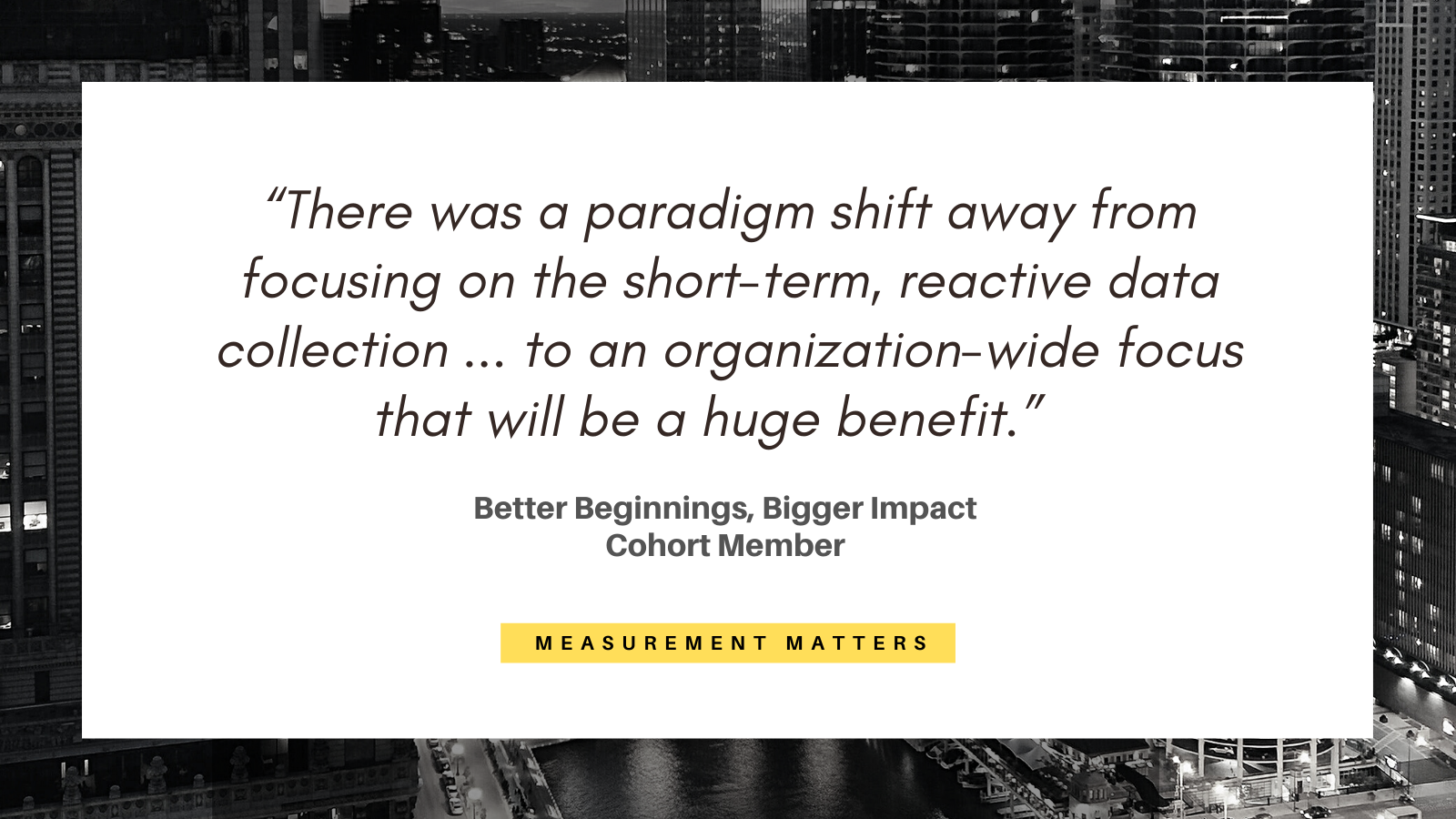
A robust measurement system can also prepare SPOs looking to build resiliency by enhancing investment readiness. The ability to concretely measure social impact is imperative for participation in the social finance market. SPOs that struggle to measure impact and provide evidence-based results are often disregarded by funders and social finance investors. In an environment where fewer resources are available to vulnerable Canadians, there is a greater need to increase accountability to secure investment to further catalyze solutions to systemic challenges.
Engaging Diverse Perspectives
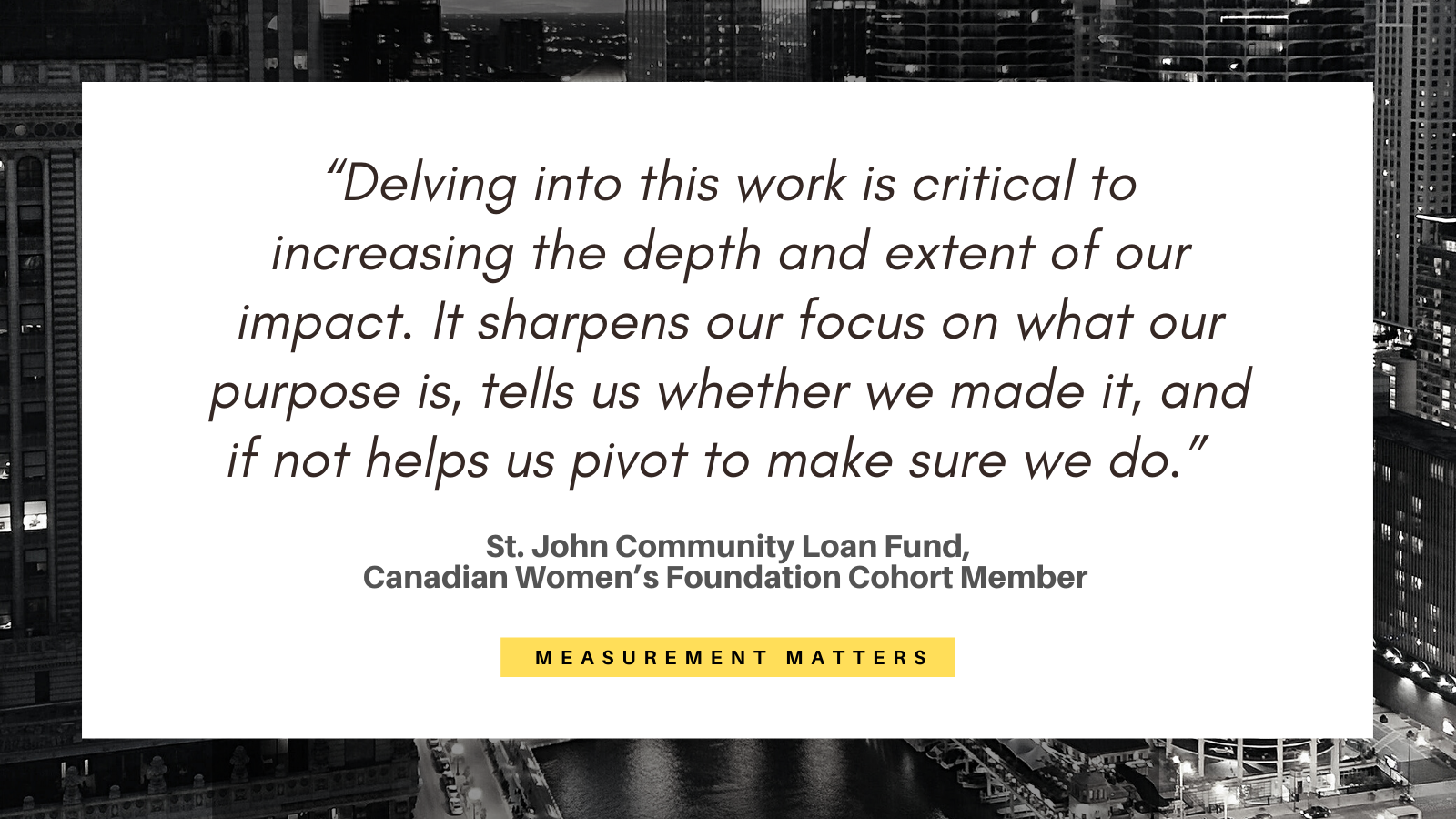
As we look to building back as a stronger, more inclusive country, SPOs within our portfolio recognize the value in developing a client-centered approach to impact measurement, to ensure programs and services remain aligned to the organization’s overall mission, vision, and goals. Representing the voice of clients in different contexts is an important path to diversity, inclusion, and equity. SPOs need to actively seek client feedback in order to understand how programs and services may need to adapt, while having the confidence that services will meet the needs of the right people.
Finally, there is an opportunity for SPOs to pursue and utilize the collective knowledge of the social sector. For example, LIFT had the privilege of hosting a knowledge sharing session in November, engaging a diverse group of SPOs to share insights on how they collect and utilize their data. Participants shared a wide range of tools, techniques, and strategies that served as an important source for inspiration and best practices. In a post-pandemic world, achieving this alignment will be essential to share knowledge, learn from experiences, and develop bigger, bolder solutions to address the complex issues facing vulnerable Canadians.
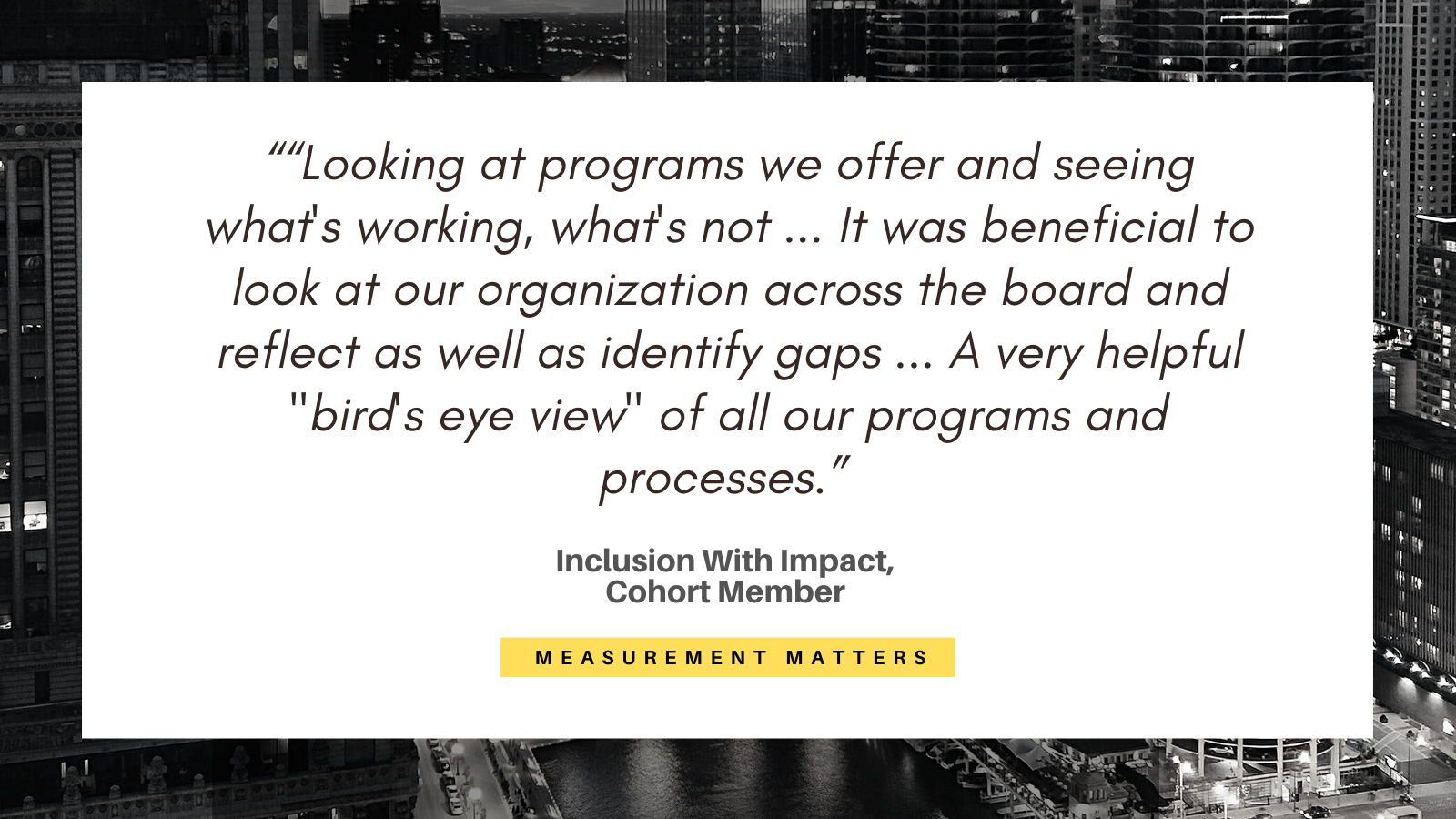
As we move into pandemic recovery and beyond, we’ve learned:
- Organizations succeed in creating change when their approach is driven by evidence-based impact. Impact measurement is no longer a “nice to have”; but a core area that needs to be embedded into workflows in order to articulate the change in clients' lives, monitor and improve performance, and access social finance more competitively.
- Embrace the unpredictability. Measurement is an iterative process; leaders must be nimble and prioritize outcomes that are realistic and achievable.
- Engage multiple perspectives. Embedding a measurement system that represents diverse insights and leverages collective learning will be critical in creating solutions that affect real change.
---------------------------------------------------------------------------------------------------------------
LIFT is grateful for the continued support of Immigration, Refugees and Citizenship Canada, Employment and Social Development Canada, our corporate partners, pro-bono partners, and individual investors.