
The movement to create a fully accessible and inclusive Canada continues to grow, and some of its roots extend back to the 2010 Olympic and Paralympic Winter Games, according to the Rick Hansen Foundation (RHF).
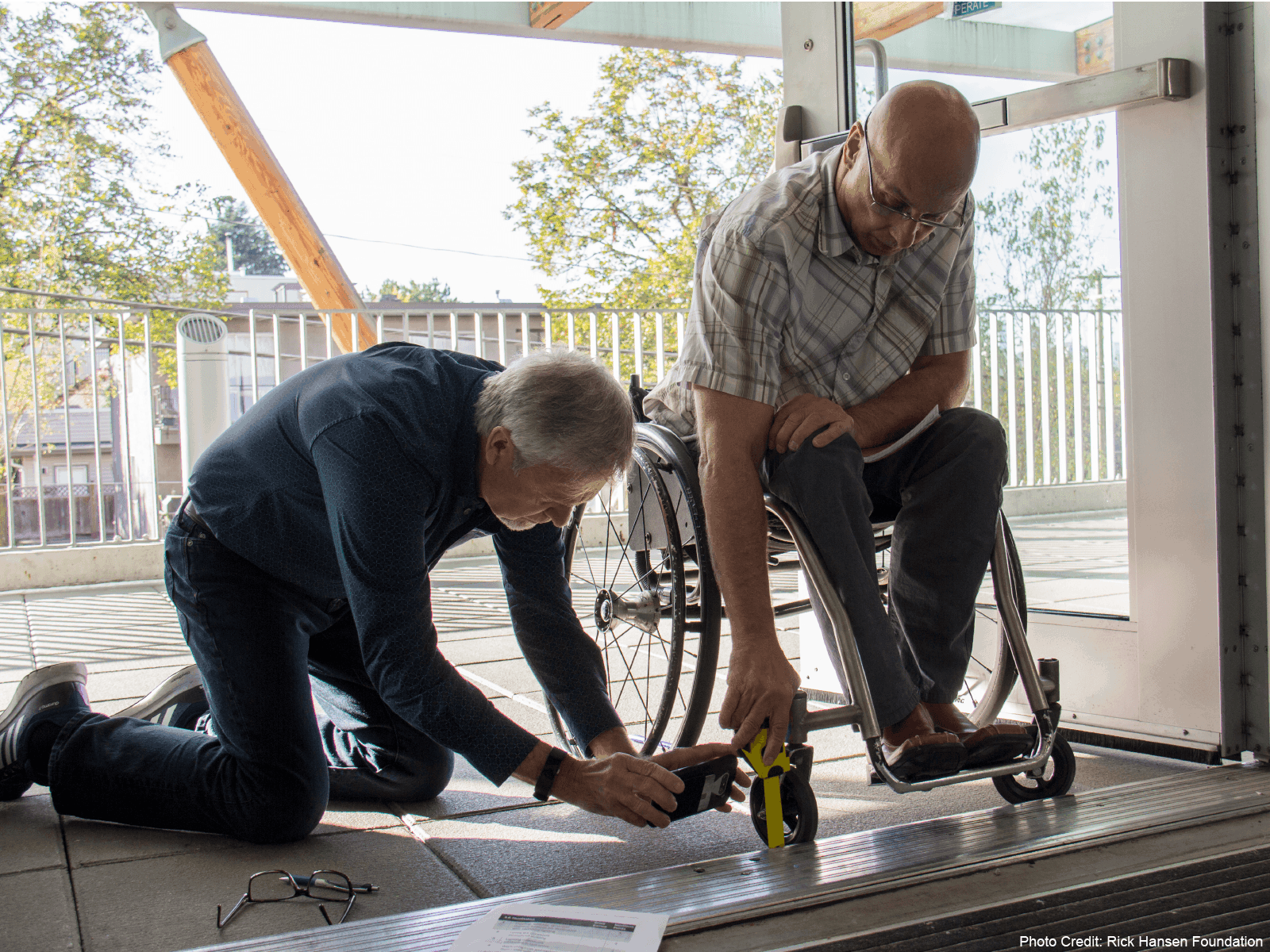
As part of its post-Games transition, 2010 Legacies Now transferred its accessible tourism program and resources to the Foundation to support its efforts to promote accessibility and inclusion. The Foundation successfully evolved the work from the Games into the highly successful Rick Hansen Foundation Accessibility CertificationTM (RHFAC) rating system that uses trained professionals to evaluate the level of meaningful access of commercial, institutional, and multi-unit residential buildings and sites.
“We help property owners and managers measure the accessibility of their sites and promote increased access through the adoption of Universal Design principles,” said Amanda Basi, Director of Accessibility Certification at the Rick Hansen Foundation.
“The funding and learnings from 2010 Legacies Now supported us significantly on our journey to develop the certification program as it stands today,” said Basi. “We have rated more than 1,200 buildings across Canada with a certification level of 752 and growing.”
Amanda Basi Director of Accessibility Certification, Rick Hansen FoundationThe funding and learnings from 2010 Legacies Now supported us significantly on our journey to develop the certification program as it stands today. »
"Accessibility is more important than ever. Almost 50 per cent of Canadians have a relationship with someone who has a physical disability or challenge, or have had one themselves," said Basi. "Within the next 20 years, the number of Canadians with a physical disability is expected to grow to more than nine million - or one in five of us."